


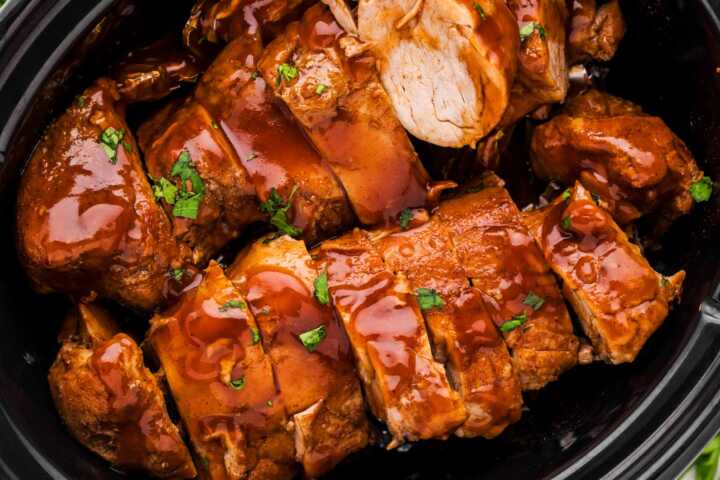
Stop dry, stringy crockpot pork! This foolproof 2-hour Slow Cooker Pork Tenderloin Recipe uses a simple kitchen trick to keep the meat incredibly juicy, tender, and coated in a glossy barbecue-balsamic glaze.
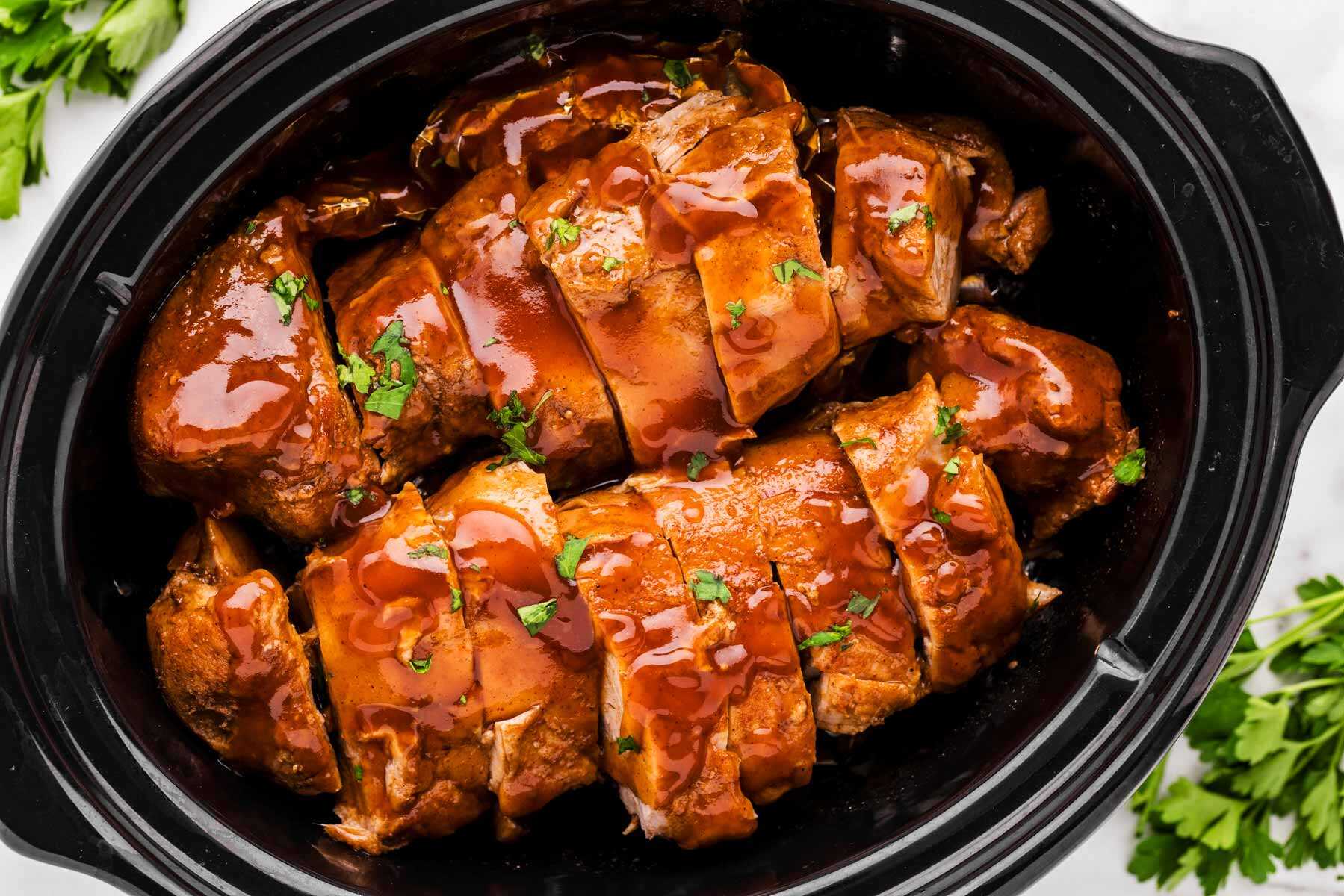
Recipe Snapshot
- Active Prep Time: 15 Minutes (Includes silver skin removal and seasoning rub)
- Slow Cook Time: 2 Hours on LOW (Critical to prevent drying out lean muscle) + 10min for thickening the glaze.
- Resting Time: 10 Minutes (Essential for the natural juices to redistribute)
- Total Time: Approximately 2 Hours and 35 Minutes from counter to table
- Yield: Feeds 4–6 people as a main course
- Key Tools: A sharp boning knife and a digital meat thermometer
⚠️ Crucial: You must check the internal temperature early and pull the pork out the absolute second it registers 145°F (63°C); if you rely purely on the clock and let it overcook by even 15 minutes, the meat will turn dry, chalky, and tough.
The 2-Hour Crockpot Trick for Juicy Pork Tenderloin
Pork tenderloin is famously lean, which usually means it dries out the second it touches a slow cooker. Most recipes treat it like a tough pork shoulder, calling for four to eight hours of cooking. That approach ruins this cut, turning a delicate piece of meat into a dry, stringy disappointment.
Pork tenderloin lacks the internal fat and tough tissue needed to survive a long, slow braise. By pairing a tight, two-hour cooking window with a smart flavor profile, you can use your slow cooker to create sliced, steak-tender pork medallions coated in a glossy, savory glaze.
Pork Loin vs. Pork Tenderloin: The Critical Difference
Before you head to the grocery store, you must know that pork loin and pork tenderloin are completely different cuts of meat. Confusing the two is the number one reason slow cooker pork recipes fail. They cannot be used interchangeably.
| Feature | Pork Tenderloin (use this!) | Pork Loin (do NOT use) |
|---|---|---|
| Shape & Size | Small, thin, cylindrical (1–2 lbs) | Wide, thick, brick-shaped (3–5 lbs) |
| Muscle Location | Lean strip along the spine | Large muscle back roast |
| Texture | Extremely tender, quick-cooking | Dense, easily dries out if sliced |
| Cooking Strategy | Fast heat / Short slow-cook window | Low and slow roasting / Searing |
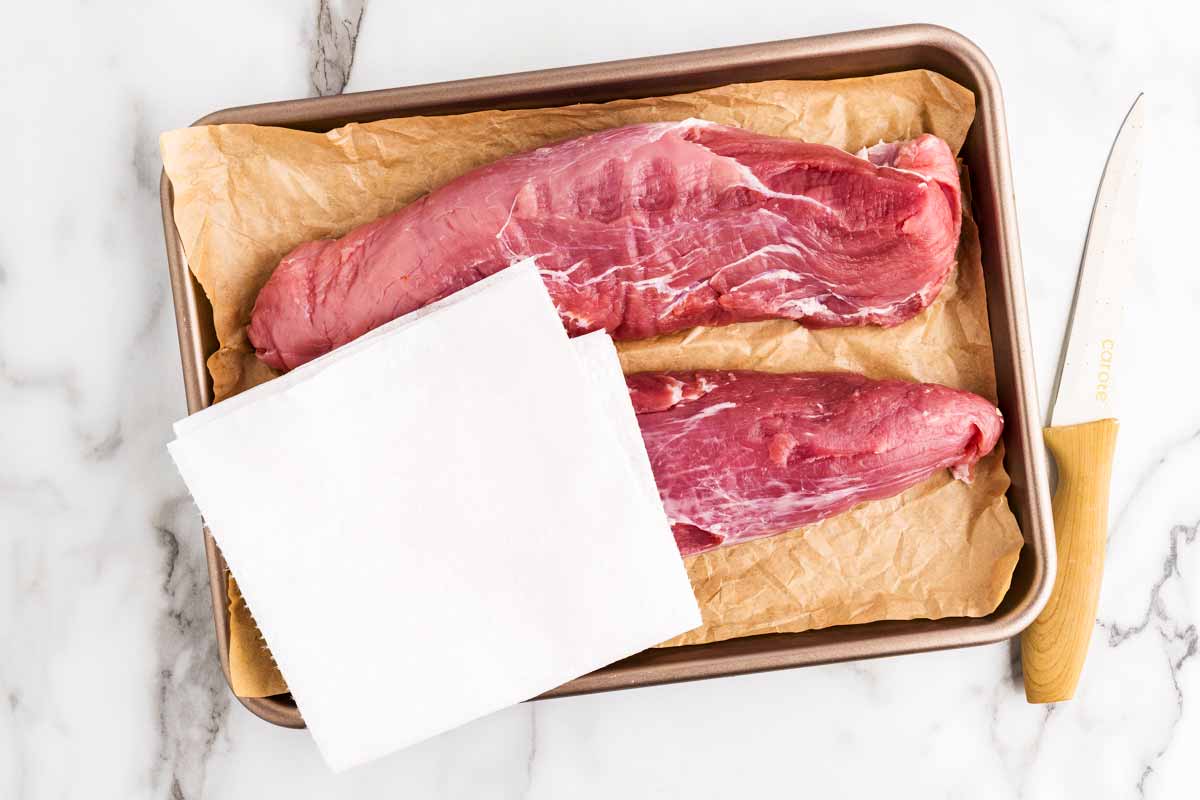
- Pork Tenderloin: This is a small, lean, pencil-shaped muscle that weighs roughly one pound. It is incredibly tender and cooks very quickly. This recipe is specifically calibrated for this delicate cut.
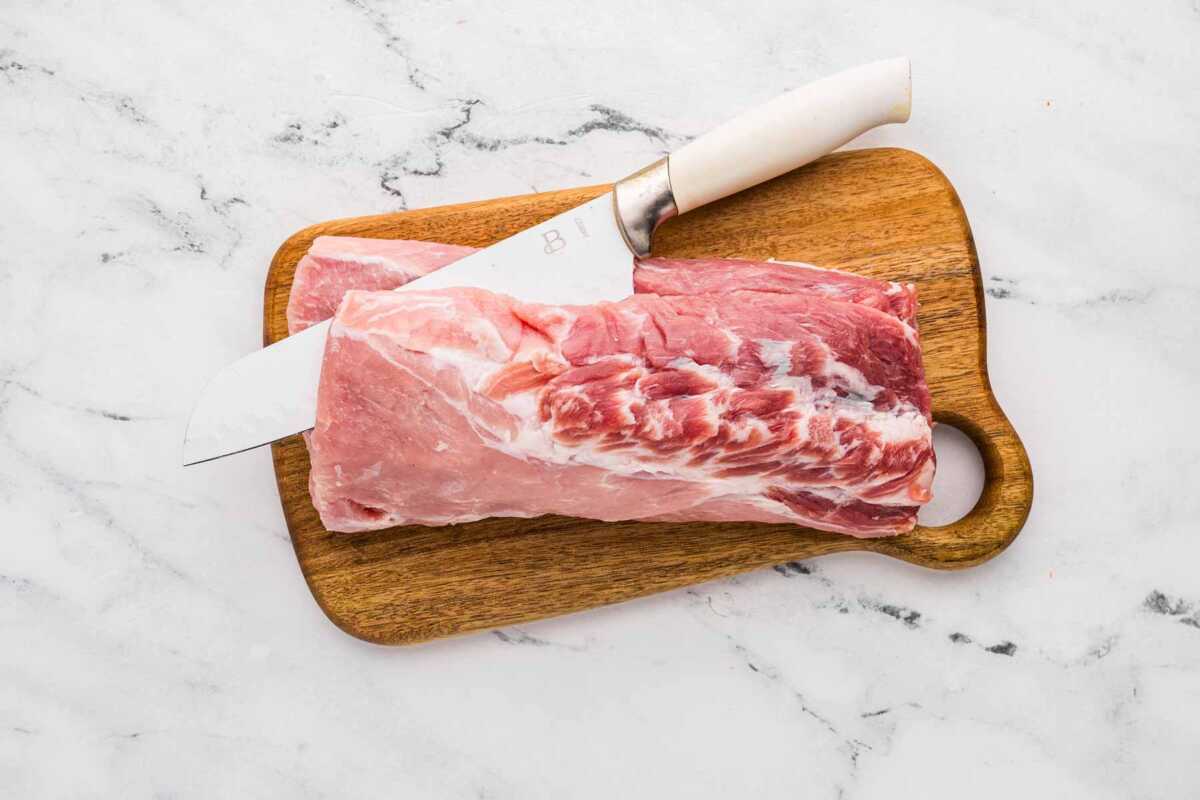
- Pork Loin: This is a massive, thick roast that looks like a large log or brick of meat, often weighing three to five pounds. Because it is so thick, a pork loin roast requires hours of additional cooking time and will remain completely raw in the center if you pull it out after two hours.
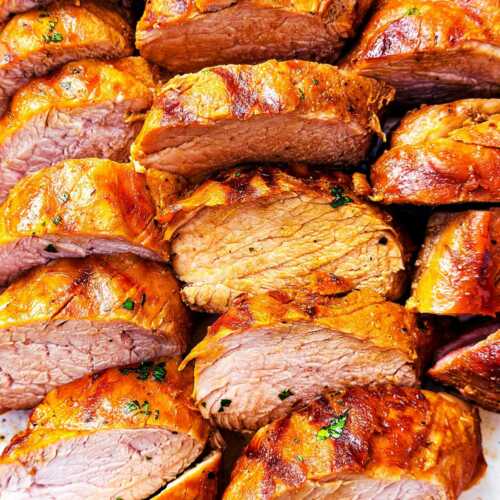
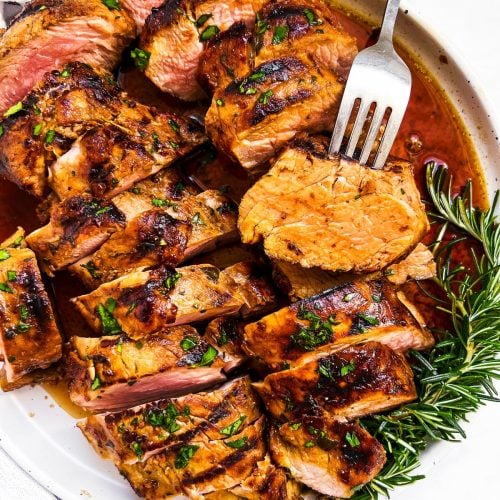
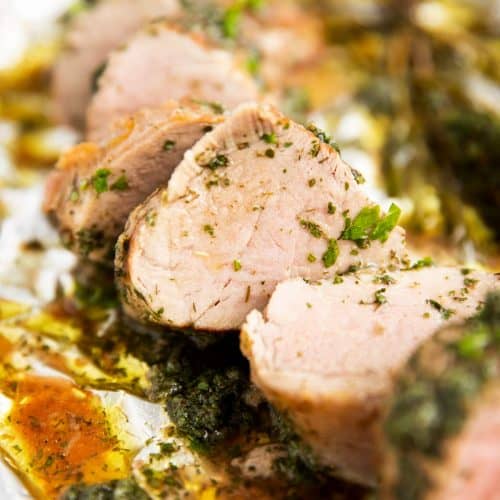
Enjoy pork tenderloin? Try these recipes next!
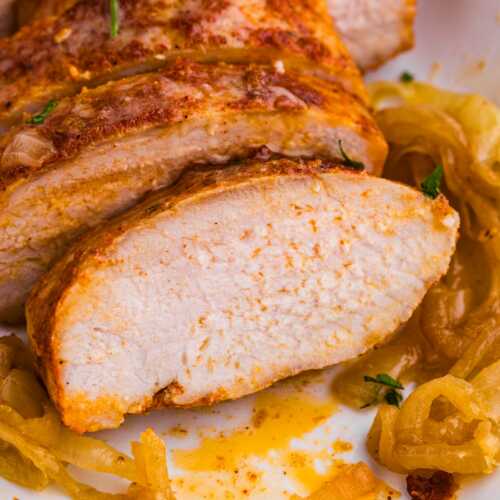
🛑 3 Mistakes That Ruin Slow Cooker Pork Tenderloin
Avoid these three common pitfalls to ensure your meat turns out perfectly juicy:
1. Stacking the tenderloins on top of each other
When cooking two pork tenderloins at the same time, do not layer or stack them inside the crockpot. Stacking doubles the thickness of the meat in the center, which traps heat and forces the bottom piece to overcook into a dry, stringy mess before the top piece ever reaches a safe temperature.
Always lay them side-by-side in a single, even layer so they cook at the exact same rate.
2. Using the “Warm” setting as a holding zone
Never leave your cooked pork tenderloin sitting on the slow cooker’s “Warm” setting while you wait for dinner time. Unlike a fatty pork shoulder, a lean tenderloin continues to cook and dry out even on the lowest warm setting.
The exact moment the meat hits 145°F (63°C), you must remove it from the slow cooker completely and transfer it to a plate to rest.
3. Slicing the meat immediately out of the pot
Do not cut into the pork tenderloins the second you pull them out of the slow cooker. High heat forces the natural juices to migrate outward toward the surface of the muscle fibers. If you slice it immediately, all that trapped moisture will flood onto your cutting board, leaving the actual meat dry and tough.
Let the pork rest untouched for 5 to 10 minutes so the juices can redistribute evenly back into the center of the meat.
Critical Prep: Removing the Silver Skin
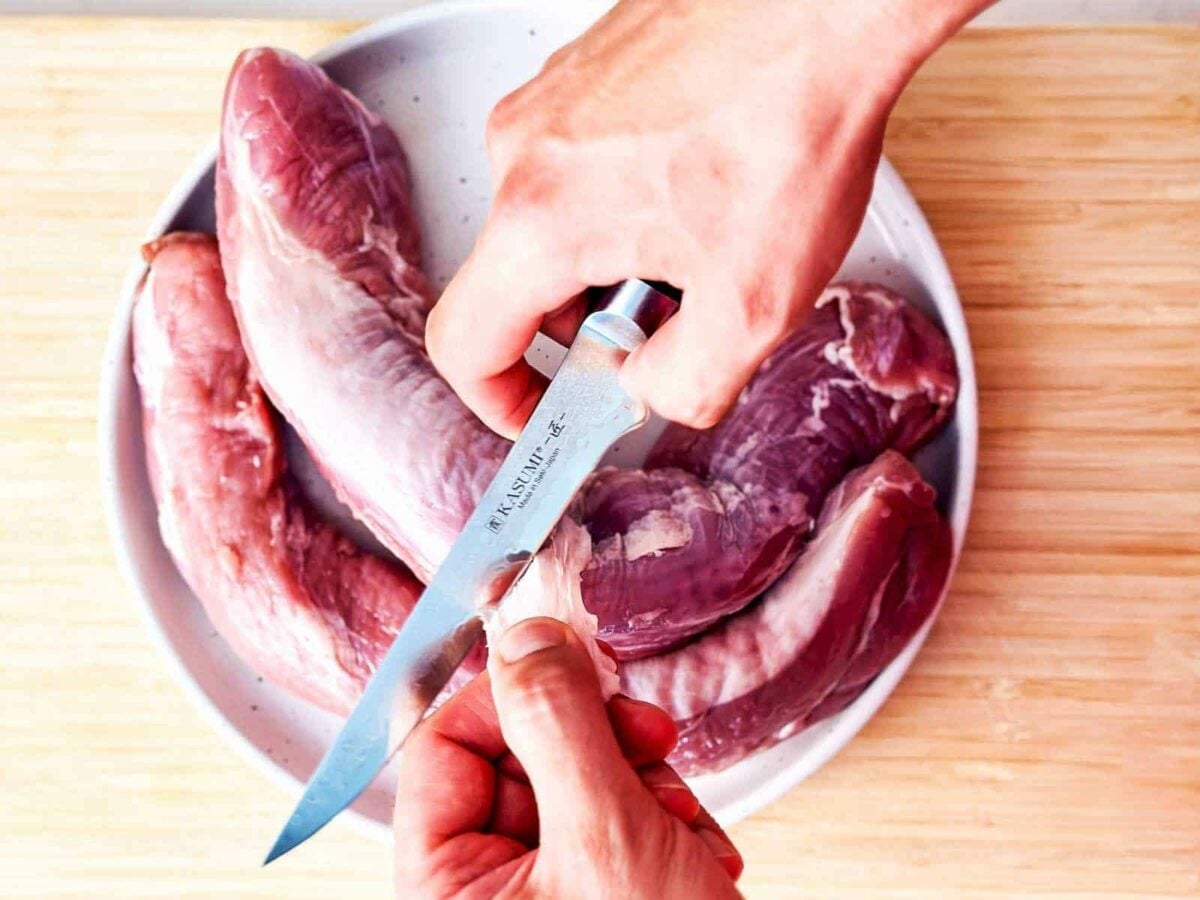
Before seasoning your meat, you must locate and remove the silver skin. This is the shiny, white, iridescent tissue running along the side of the tenderloin.
Unlike regular fat, silver skin will not melt down during cooking. If left intact, it contracts like a tight rubber band as it heats. This causes the pork to warp, cook unevenly, and become intensely chewy.
To remove it, slip the tip of a sharp knife underneath the silver skin at one end. Angle the blade slightly upward against the skin, and slide it down the length of the meat to peel it away cleanly without wasting any pork. Pat the meat completely dry with paper towels afterward so your seasoning sticks.
Why This Liquid Combo Keeps Lean Meat Juicy
The liquids in this recipe do not just provide moisture; they actively change how the meat cooks. Lean pork tenderloin has almost zero natural fat, so we have to build that moisture mechanically.
- The Acid Catalyst: Balsamic vinegar drops the pH of the cooking liquid. This mild acidity gently softens the tightly wound surface fibers of the pork, allowing the BBQ seasoning to penetrate deeper into the meat.
- The Fat Blanket: Placing diced butter directly on top of the meat creates a continuous melting shield. As it cooks, the butter bakes down into the lean muscle, mimicking the natural fat cap of a pork roast.
- The Umami Bridge: Low-sodium chicken broth provides a savory background. This keeps the barbecue sauce from tasting overly sweet or cloying.
Cook to Temperature, Not to the Clock
Slow cookers are notorious for running at different temperatures. A 5-quart model cooks much faster than an 8-quart model holding the same amount of food, and older appliances often run hotter than newer ones. For this reason, cook times are strictly estimates.
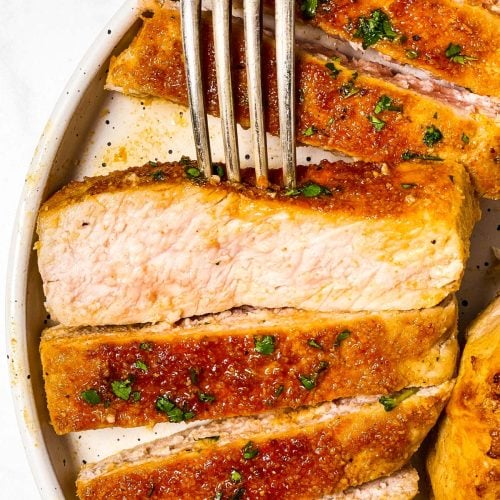
The only metric that matters is an internal temperature of 145°F (63°C) at the thickest part of the meat, followed by a 5-to-10-minute rest.
The USDA lowered the safe cooking temperature for pork to 145°F years ago (Source), yet many old recipes still target 160°F. Pulling the pork at 145°F leaves the meat safely cooked, incredibly juicy, and blushing with a faint pink hue in the center. Use a digital clip-in or infrared probe thermometer starting at the 90-minute mark to catch it perfectly.
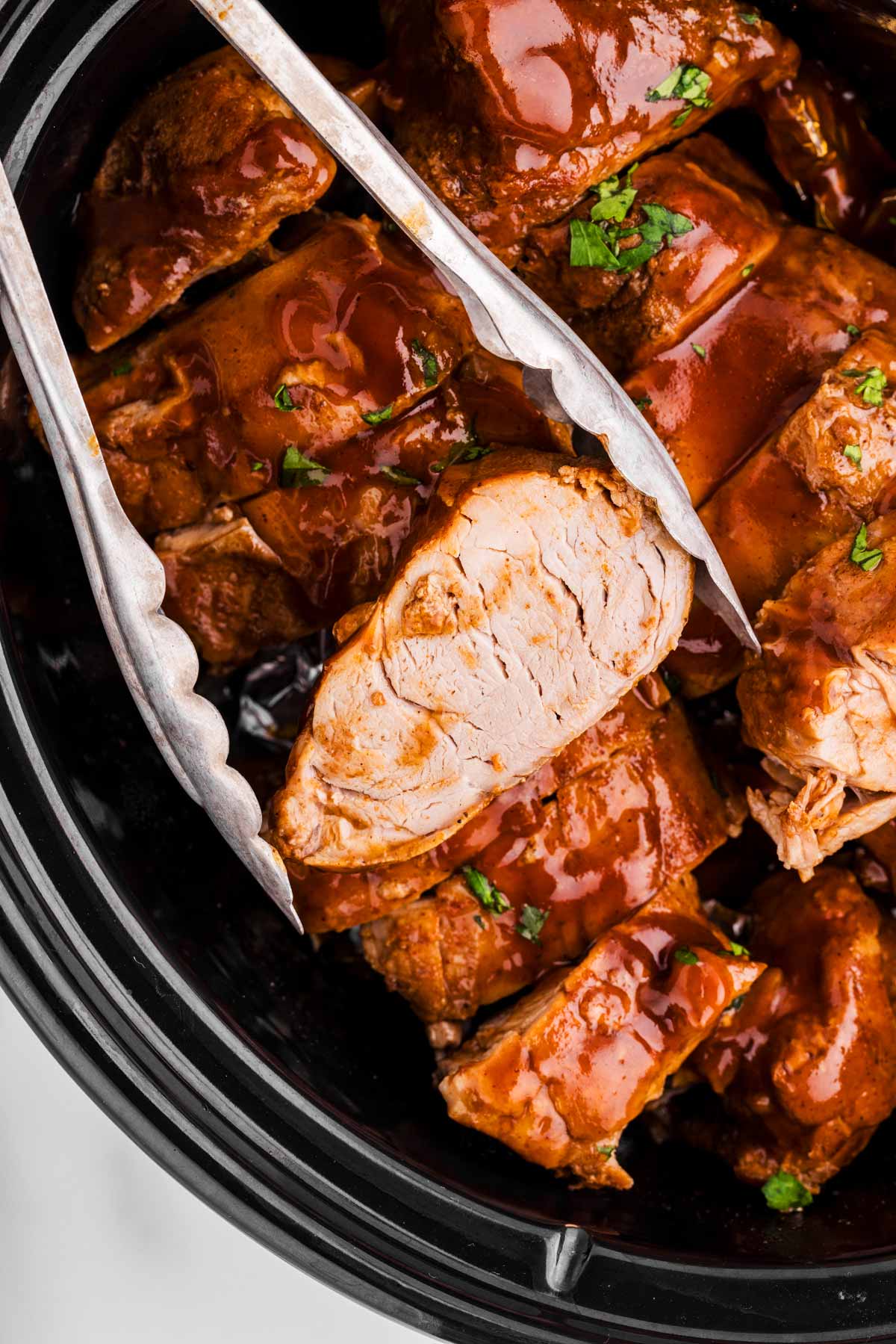
Note on Liquid Levels: When you first open the slow cooker lid, the sauce will look remarkably thin and watery. Don’t panic! This is completely normal. Lean pork tenderloins naturally release a significant amount of moisture as their muscle fibers tighten during cooking. The optional cornstarch slurry in the recipe card below will easily transform this watery liquid into a thick, glossy restaurant glaze in just 5 to 10 minutes.
How to Scale or Multiply the Recipe Safely
You can easily cook four tenderloins simultaneously in a standard 6-quart slow cooker if you are feeding a crowd.
The golden rule when doubling this recipe is to lay the tenderloins side-by-side rather than stacking them on top of one another. Because you are keeping them in a single layer, the overall thickness of the meat does not change. Your cooking time will only increase by roughly 15 to 20 minutes to account for the extra cold mass inside the pot.
Side Dishes That Match the Glaze
Because the final glaze is rich, tangy, and slightly sweet, your side dishes should either absorb the extra sauce or cut through the richness with freshness.
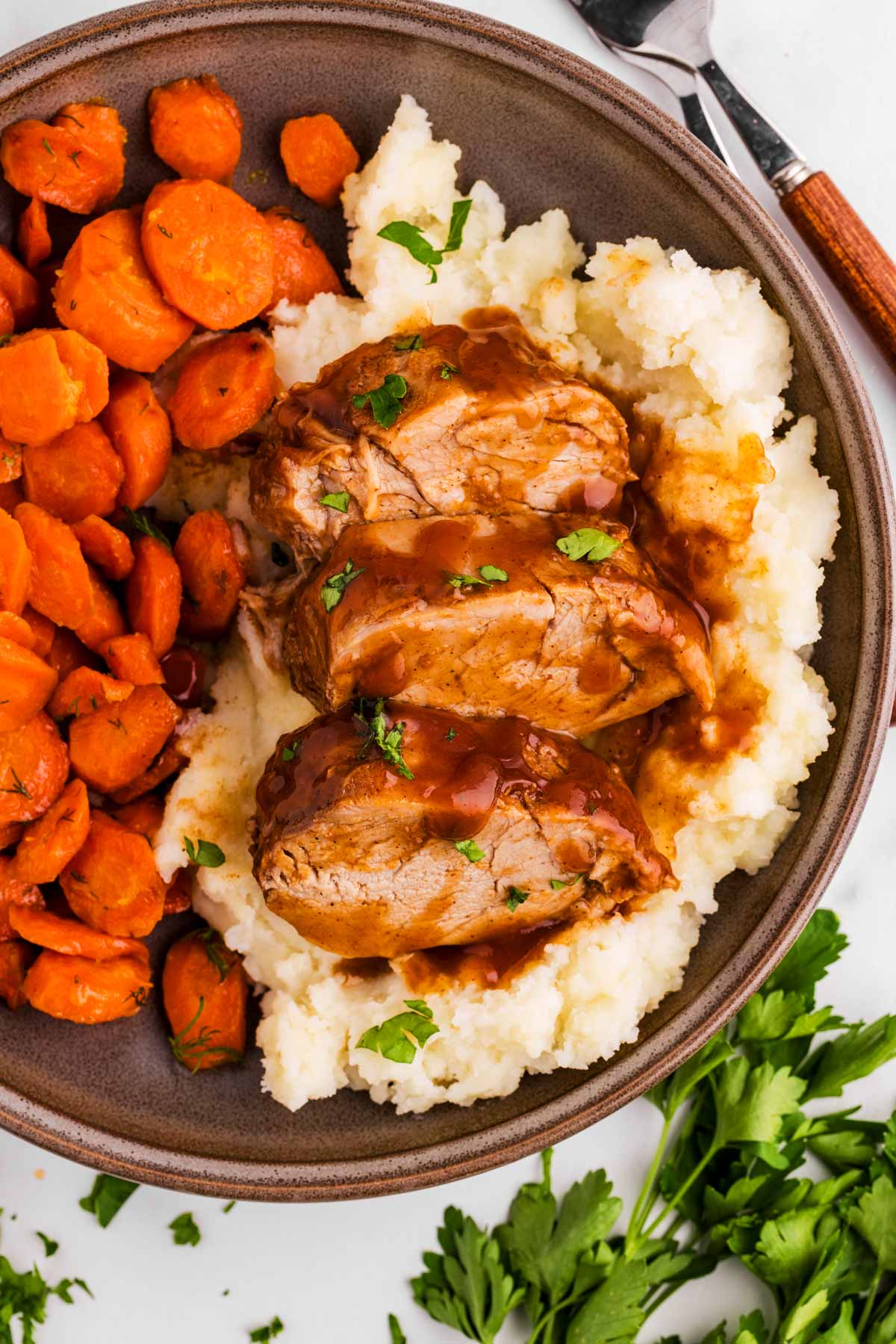
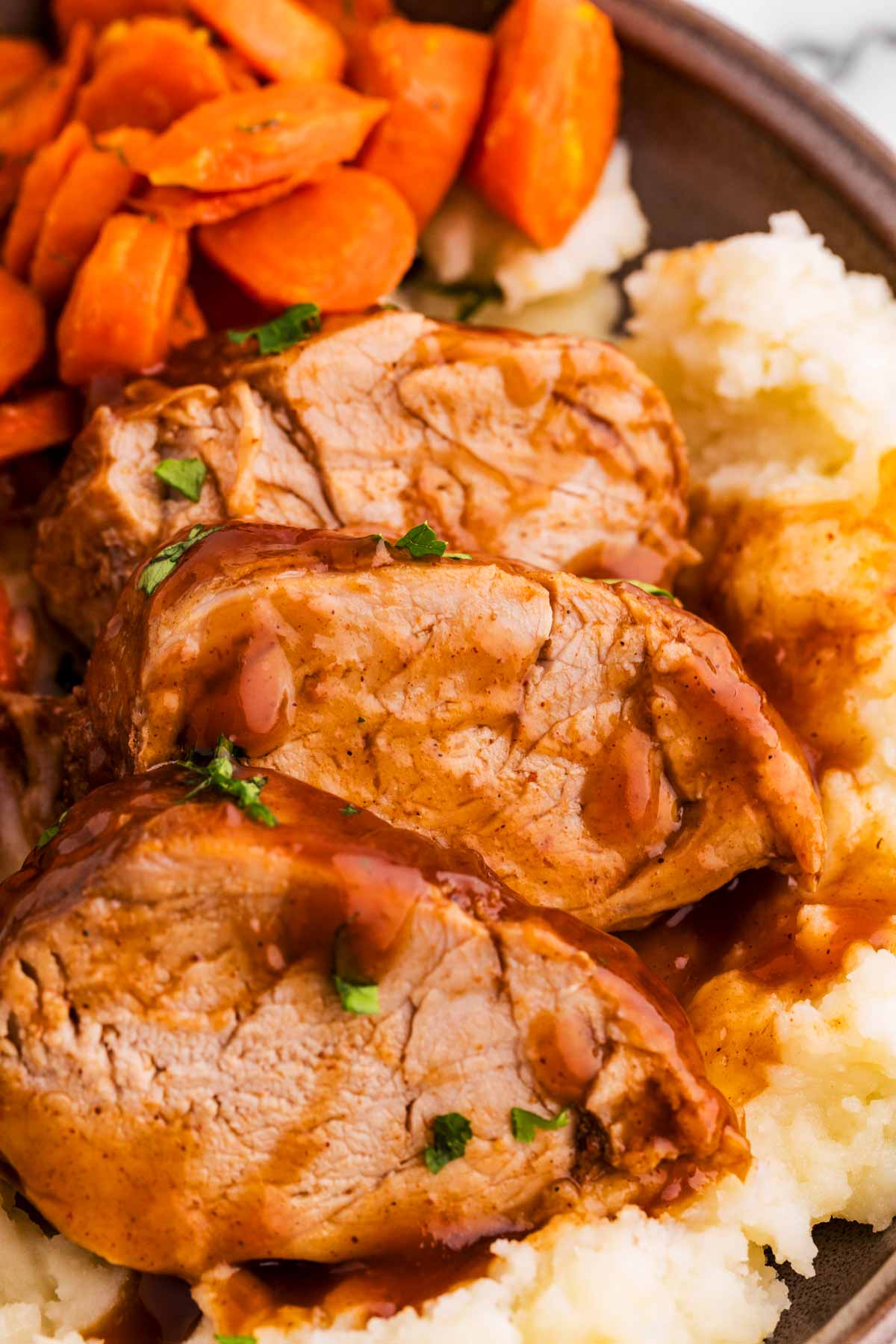
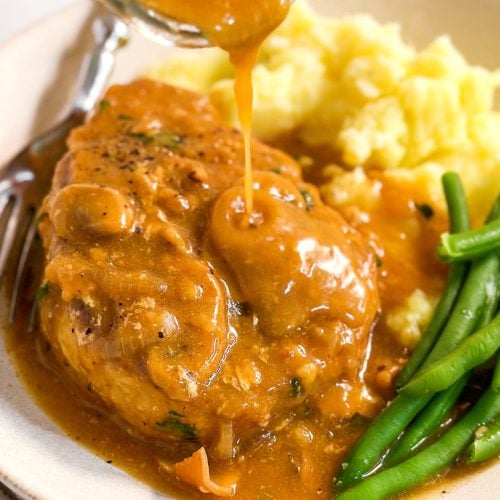
- The Sauce Absorbers: Serve the medallions over a bed of sour cream mashed potatoes, white cheddar grits, or buttered egg noodles. The velvety cornstarch glaze acts as an instant gravy for these starches.
- The Acid Cutters: Balance the sweet BBQ profile with a crisp coleslaw, roasted Brussels sprouts or roasted broccoli with lemon juice, or a bright green salad tossed in a sharp honey mustard vinaigrette. Or try a simple side of roasted carrots!
- The Quick Slider Fix: Split open warm buns. Pile the sliced pork medallions inside, spoon on extra warm glaze from the pot, and top with pickled red onions for an instant party food.
Prep-Ahead and Leftover Strategies
What you can prep ahead
Pork tenderloin is best served fresh, but you can prep this recipe up to 24 hours before you turn on the slow cooker to save time on busy weekdays.
- The 24-Hour Prep: Trim the silver skin, pat the meat dry, and apply the BBQ rub. Place the seasoned meat in a sealed zip-top bag in the refrigerator. In a separate jar, whisk together your broth, BBQ sauce, balsamic vinegar, and sugar.
- The Morning of: Simply pour the pre-mixed liquid into your slow cooker liner, drop in the chilled pork, dot with butter, and press start. Do not store the raw pork directly inside the liquid overnight; the balsamic acid will “cook” and mush the surface of the meat like seafood ceviche.
Storing leftovers
To keep your leftover pork tenderloin perfectly juicy, store the sliced medallions and the barbecue-balsamic glaze together in a single airtight container in the refrigerator for up to three days.
Keeping them submerged in the sauce prevents the lean muscle fibers from drying out in the cold air.
Why Your Leftover Sauce Turns Into “Jelly”
When you pull your leftovers out of the fridge the next day, you will notice the barbecue sauce has turned into a thick, wiggly jelly. Don’t panic — this is actually a sign that you cooked the recipe perfectly.
When the natural juices from the pork cook down and cool, they create a natural gelatin. Combined with the cornstarch, this creates a thick glaze that locks in moisture. The second this “jelly” hits a warm pan, it will instantly melt back down into a glossy, restaurant-quality sauce.
How to Reheat Without Turning Pork into Rubber
Leftover pork tenderloin often becomes rubbery when reheated because microwaves vibrate water molecules, forcing them out of the already-lean muscle fibers.
- The Skillet Method (Best): Slice the cold pork into thin pieces. Place them in a skillet with a few tablespoons of the leftover jellied glaze and a splash of water or broth. Cover with a lid and heat over medium-low for 4 to 5 minutes, flipping once. The trapped steam moistens the meat.
- The Microwave Method (Backup): Place the pork and plenty of sauce in a shallow bowl. Cover the bowl tightly with a damp paper towel. Microwave at 50% power in 30-second bursts until just warm. Lower power keeps the proteins from tightening.
How to Repurpose Your Leftovers
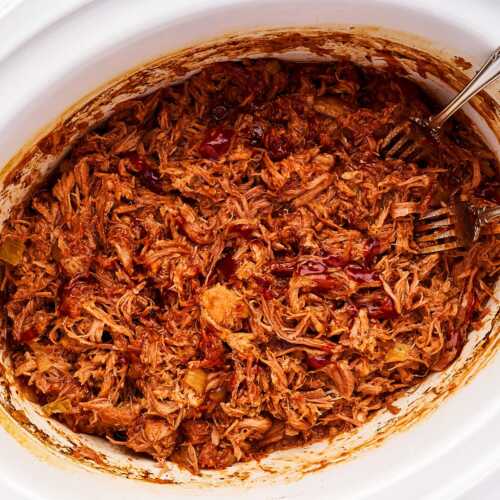
You can shred the cold pork directly into the leftover glaze and pile it high on toasted brioche buns with a scoop of cool coleslaw for instant pulled pork sliders.
For a quick weeknight dinner, toss the pork slices into a hot skillet with black beans, corn, and pepper jack cheese to create high-protein quesadillas, or chop the meat into small cubes to stir-fry with leftover white rice, scrambled eggs, and a splash of soy sauce for a smoky, sweet pork fried rice.
Frequently Asked Questions
No. Leaving a lean pork tenderloin in a slow cooker for 8 hours will completely ruin it. Unlike pork shoulder, tenderloin has no tough connective tissue or heavy fat to break down.
An 8-hour cook will leave the meat dry, chalky, and completely devoid of flavor. Stick strictly to the 2 to 2.5-hour window.
Yes, it is perfectly safe. The USDA officially updated its safety guidelines to state that pork is safe to eat at an internal temperature of 145°F (63°C) (Source), followed by a 3-minute rest.
At this temperature, the meat will have a slight blush of pink in the center and remain incredibly juicy. If you cook it until it turns completely white, it will be overcooked and dry.
If your pork is tough, it usually means one of two things. Most often, it was simply overcooked because it sat in the slow cooker too long. However, if the meat is tough but still looks dark pink or rubbery, it might actually be undercooked.
Always rely on a digital meat thermometer rather than visual guesswork to know exactly when it hits 145°F.
Searing the pork in a hot skillet before adding it to the crockpot adds a beautiful crust, but it is not necessary for this recipe.
The combination of the BBQ seasoning rub, the melting butter, and the balsamic reduction creates a deep, caramelized exterior flavor without requiring you to wash an extra pan.
You must completely thaw the pork tenderloin in the refrigerator before putting it into the slow cooker. Placing frozen meat directly into a slow cooker is a food safety hazard.
Because slow cookers heat up gradually, frozen meat will sit in the dangerous “food bacteria zone” (between 40°F and 140°F) for far too long before it begins to cook.
Slow Cooker Pork Tenderloin
Ingredients
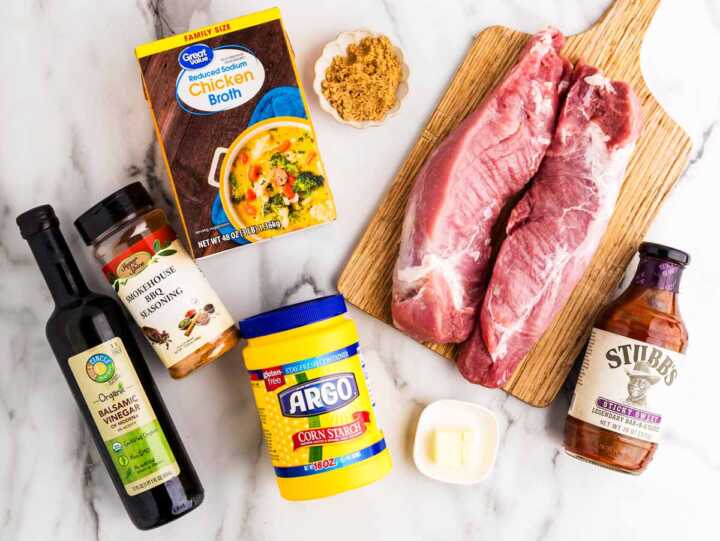
- 2 (~1lb) pork tenderloins
- 2 tablespoons BBQ seasoning (or more to taste)
- ½ cup low sodium chicken broth
- ⅓ cup BBQ sauce
- 1-2 tablespoons balsamic vinegar
- 1 tablespoon brown sugar (OR honey)
- 1 tablespoon butter (diced)
- 2-3 teaspoons cornstarch (optional for a thicker sauce)
Instructions
- Prep:This recipe works best in a 5-6 quart slow cooker.Get your ingredients ready.

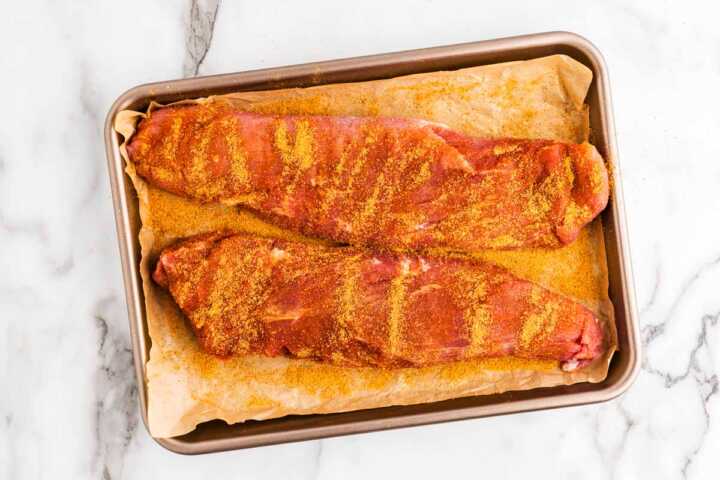
- Prep and season pork: Trim any excess fat and silver skin off the pork tenderloins. Pat completely dry with paper towels. Season all over with BBQ seasoning and set aside.2 (~1lb) pork tenderloins, 2 tablespoons BBQ seasoning

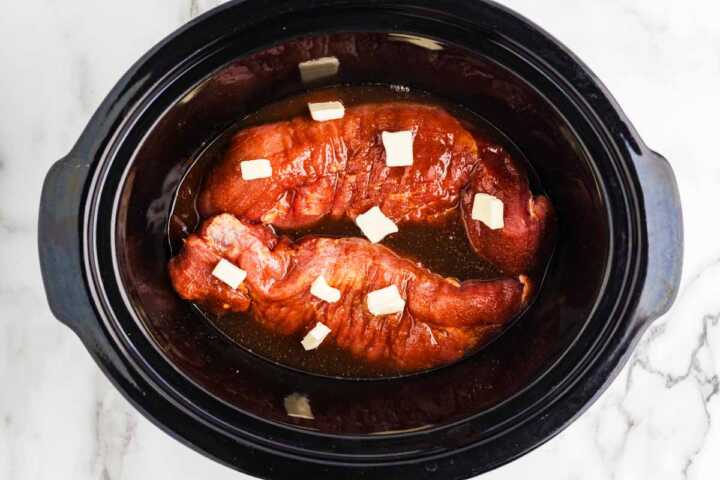
- Assemble: In the bottom of your slow cooker, combine chicken broth, BBQ sauce, balsamic vinegar and brown sugar. Add the pork tenderloin to the slow cooker and arrange the diced butter on and around the pork.½ cup low sodium chicken broth, ⅓ cup BBQ sauce, 1-2 tablespoons balsamic vinegar, 1 tablespoon brown sugar, 1 tablespoon butter
- Slow cook: Close the lid and cook the pork tenderloin for 2 to 2-½ hours on LOW or 1 to 1-½ hours on HIGH. The exact cooking time varies depending on your slow cooker and the exact shape of your pork tenderloin.Check early to make sure you do not overcook the pork! Use a meat thermometer and immediately remove the pork from the slow cooker once it reaches 145°F and set aside on a plate to rest.
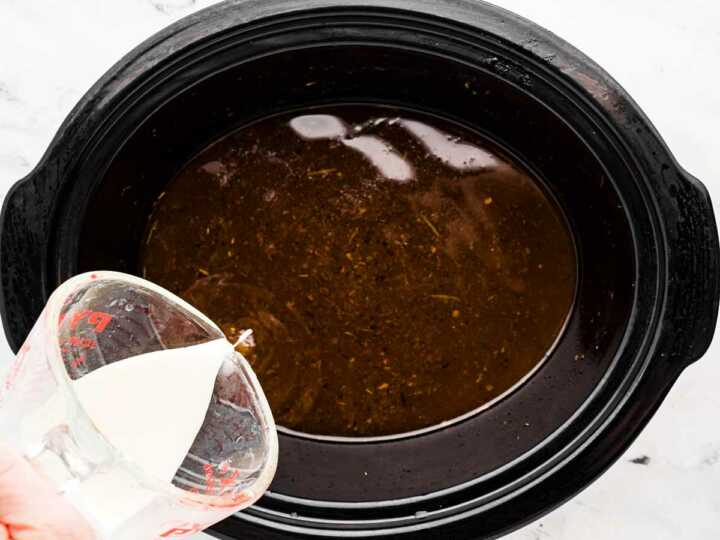
- Thicken sauce (optional): For a thicker gravy, combine 2-3 teaspoons cornstarch with 1 tablespoon cold water to make a slurry. Stir this into the juices in the slow cooker. Cook on HIGH for 5-10 minutes, uncovered, until thickened.2-3 teaspoons cornstarch

- Serve: Slice the pork into medallions after a 5-10 minute rest. Place it back in the sauce or simply spoon the sauce on top to serve!
Notes
- Pork Tenderloin Selection: Look for a pinkish-red color when buying meat; avoid pale cuts or packages with excessive pooled liquid inside.
- BBQ Rub Variations: Use a low-sugar rub if you prefer to tightly control the sweetness, or a classic smoky brown sugar rub for a caramelized exterior crust. Or make your own with this BBQ rub recipe!
- Barbecue Sauce Style: Choose a thick, tomato-based sauce style rather than a thin vinegar style to make sure the glaze reduces beautifully into a rich reduction.
- Liquid Reassurance: When opening the lid, the cooking liquid will look very thin and watery. This is normal because lean pork naturally releases moisture as it tightens. The cornstarch slurry easily thickens this up into a glossy glaze.



Comments
No Comments